What supports the asset decision?
Asset decision
Intended use, commercial assumptions, valuation or diligence evidence and transaction considerations.

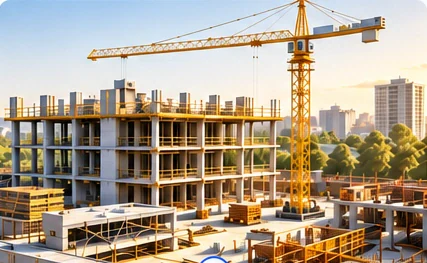

Real estate & construction
An asset decision, construction delivery and readiness for property operation need different evidence. Connect the commercial, project and operating perspectives around the decision in front of you.
Connected perspectives
Owners, developers, finance teams, project leads and receiving operating teams look at the same asset through different lenses, with distinct responsibilities.
Asset decision
Intended use, commercial assumptions, valuation or diligence evidence and transaction considerations.
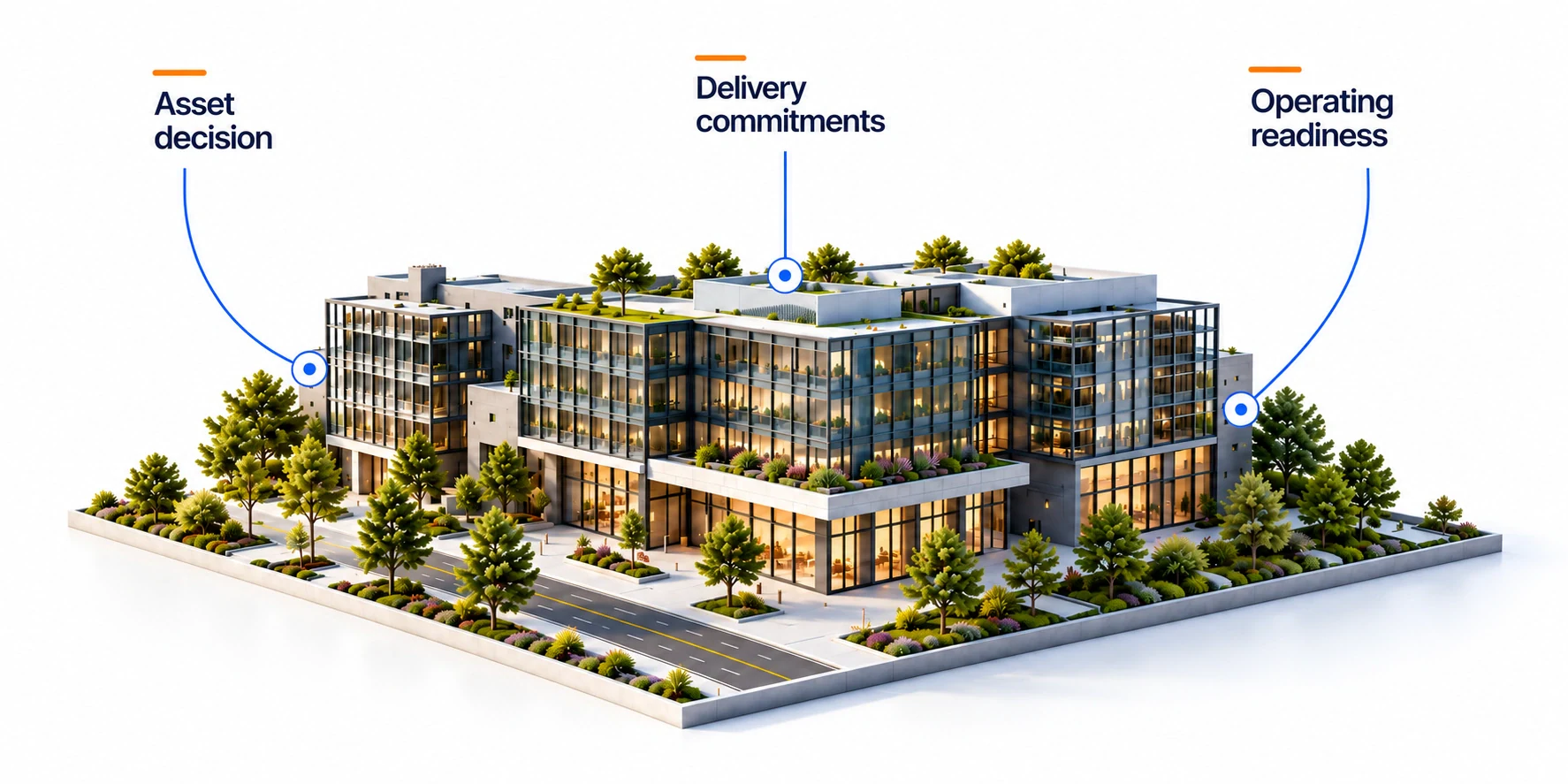
Development and construction
Scope, budgets, approvals, packages and contractor responsibilities.

Operating readiness
Accepted records, receiving owners, open actions and recurring control routines.


Commercial evidence
Commercial assumptions and available records shape an asset decision. Valuation, diligence and financial review can clarify the questions that need closer examination.
Financial analysis depends on the particular transaction, asset and agreed scope. Formal valuation and transaction work depend on the responsible professional entity and confirmed scope.
Explore Finance
Commercial commitments also inform delivery decisions. Construction progress alone does not substantiate valuation or transaction assumptions.
Diligence or verification findings can identify unresolved evidence. No investment outcome or investment-management authority is implied.
Delivery controls
Budgets, approvals, contractor commitments and site records need to reach the people responsible for the next action.

From records to decisions
Site obligations, risk mapping, verification and internal-control review can inform the management response within agreed scope. Project support does not imply turnkey construction, engineering authority or assumed contractor responsibility.
Operations, procurement & project delivery
Handover and operation
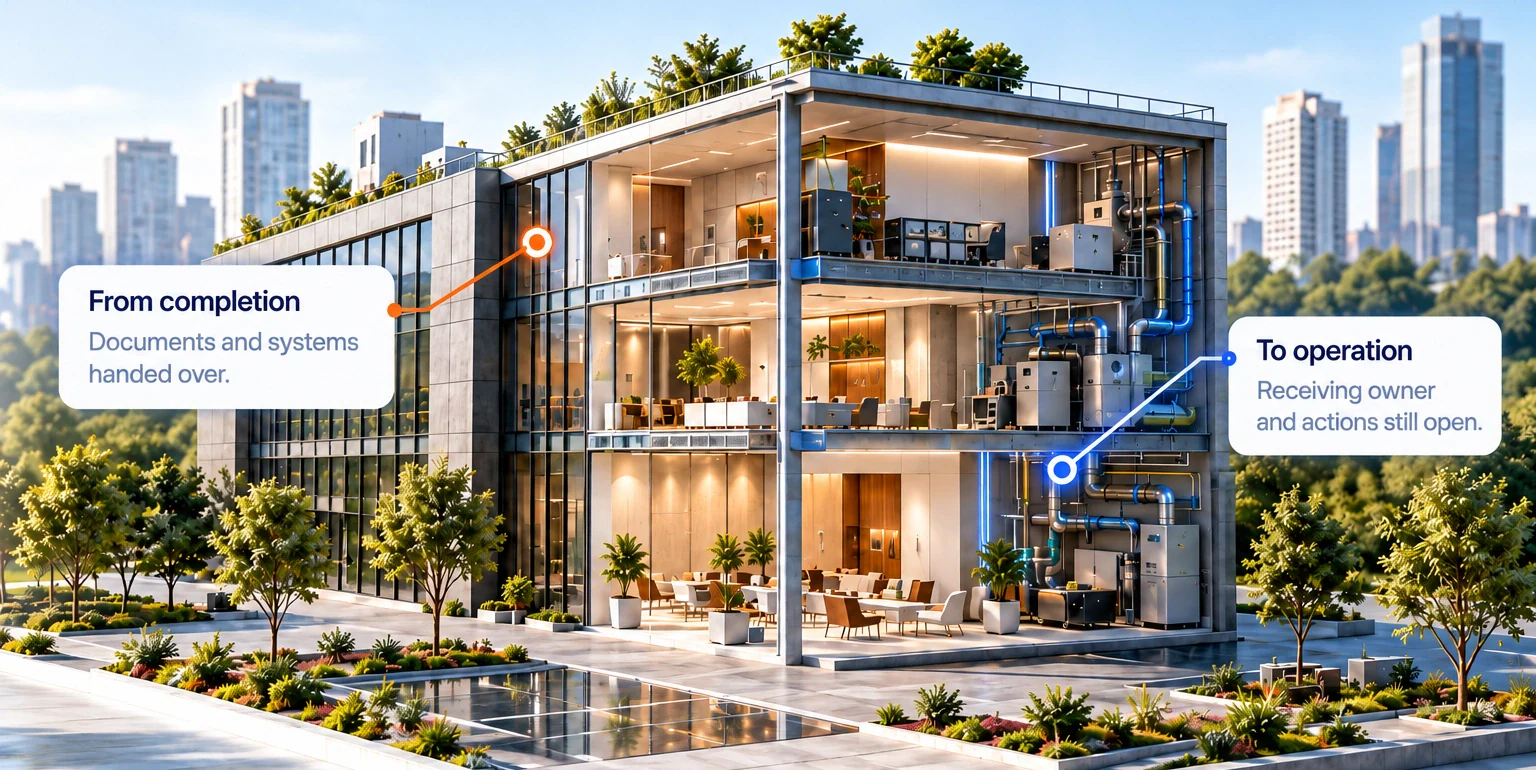
Readiness for operation depends on accepted records, clear responsibilities and a shared view of the actions still open.


Identify the requirements the operating team needs to accept.

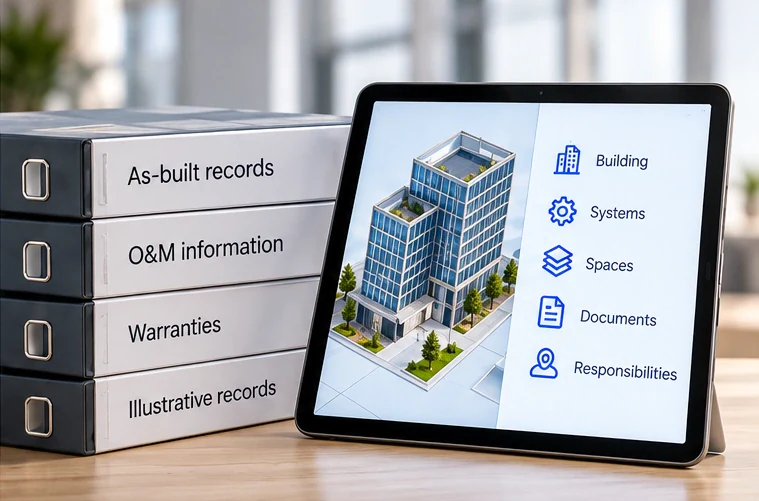
Connect available records with the property, systems and responsibilities being transferred.

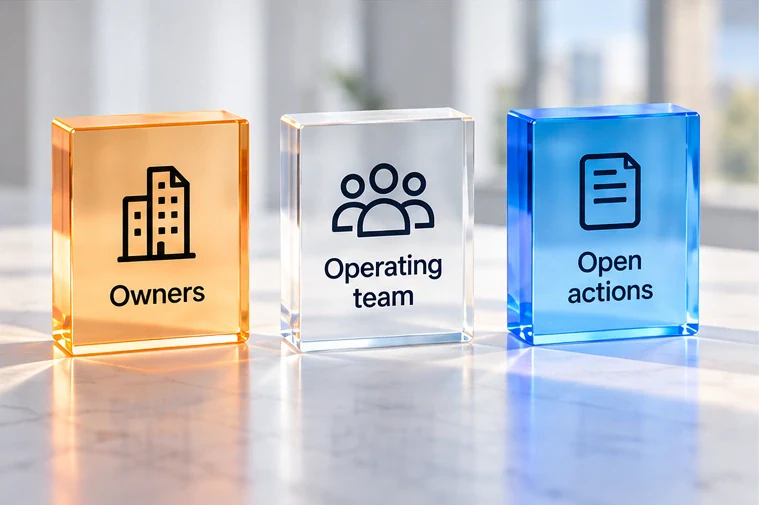
Name who receives the records and who resolves the actions still open.

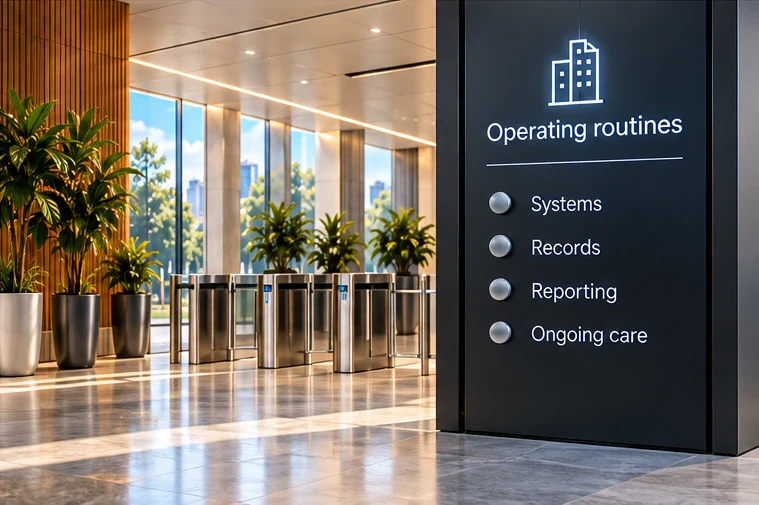
Carry the necessary records and reporting routines into day-to-day operation.
Relevant support
Explore the discipline relevant to the decision in front of you. You can also begin a conversation directly.

Valuation, diligence, financial assumptions and transaction questions.
Explore this discipline: Finance, transactions & tax
Packages, commitments, project controls and handover.
Explore this discipline: Operations, procurement & project delivery
Verification, internal controls and evidence gaps.
Explore this discipline: Audit, risk & compliance
Workforce, contractor and recurring site obligations.
Explore this discipline: People, workforce & managed services
Related industry
For a question centred on a capital-project delivery programme.
Share the asset’s lifecycle stage, intended use and the decision that needs attention.
Locations, involved parties, available commercial or site records and timing can help frame the conversation. Begin with what you know.
These are optional discussion prompts. Extensive preparation is unnecessary.